Buyer's Guide
The Manufactured Home Buyer's Guide for South Jersey
A practical, step-by-step introduction to buying a manufactured home in South Jersey, written by local Realtor Derek Doernbach.
This guide walks first-time manufactured-home buyers through the essentials before they make an offer in South Jersey. It explains how manufactured homes differ from site-built homes, the difference between owning land and leasing it, how financing works, what to inspect, what placement and setup involve, and the practical questions to ask. It is general guidance from a local Realtor, not a substitute for professional advice from your lender, attorney, or inspector.
How They Differ From Site-Built Homes
Manufactured homes are built indoors in a factory to a national federal code (the HUD Code), then transported to their site and set up on a foundation. Site-built homes are constructed on the lot itself, piece by piece. Because they are built in a controlled environment, manufactured homes can offer consistent quality and predictable timelines, and in many communities they are a distinctly affordable way to own a home.
Land You Own vs. Ground You Lease
The single most important question is whether the land comes with the home. On owned land (fee simple) you buy both. In a land-lease community you buy the home and pay monthly lot rent for the ground, which usually covers shared services and amenities. That is how Tilton Terrace works in Egg Harbor Township, and understanding the lease terms matters as much as the price of the home.
Financing Options
Manufactured homes can be financed differently from site-built houses. Homes on leased land are typically financed as personal property with a chattel (personal property) loan. Homes on a permanent foundation may qualify for certain mortgage programs, including FHA and VA options, depending on the age and setup of the home. Working with a lender who knows manufactured homes in South Jersey is key to finding the right fit.
Inspections
A thorough inspection protects your investment. Look at the roof, HVAC, water heater, plumbing, electrical panel, and any signs of water damage. Outside, check the skirting, steps, deck, windows, and how the home sits on its supports. Many land-lease communities have their own requirements for approving a buyer and the home, so confirm what is expected before you commit.
Placement and Setup
For a home already in place in a community, setup is done and your job is to verify its condition. If you are buying new or moving a home, placement involves zoning approval, community approval, permits, site preparation, transport, leveling, anchoring, utility hookups, and final inspections. A knowledgeable agent and an experienced installer can guide you through each step.
Practical Questions to Ask
The best buyers come prepared with the right questions. Below are the questions Derek recommends every first-time manufactured-home buyer in South Jersey ask before making an offer. Getting clear answers early saves surprises later.
Understanding the Basics
What Buyers Should Understand First
How Manufactured Homes Differ From Site-Built Homes
A manufactured home is built entirely in a factory to the federal HUD Code, then delivered to the property in sections and set up on a foundation. A site-built home is constructed on the lot. The older term "mobile home" referred to pre-1976 homes built before the HUD Code took effect; today's manufactured homes are built to a national standard and are rarely moved after installation. Buyers often find that a well-maintained manufactured home offers the same everyday comfort as a site-built home at a lower price point, especially in a land-lease community.
Because the two types of homes are built, financed, insured, and valued differently, it helps to work with an agent who knows the differences. That is one reason a guide like this starts here: the decisions that come after, from financing to resale, all trace back to the type of home it is.
Land You Own vs. Ground You Lease
When you buy a site-built home, you typically buy the land and the house together. With a manufactured home, you may either own the land beneath it or lease the ground in a land-lease community. In a land-lease community you own the home and pay a monthly lot rent that covers the use of the land, and it often bundles services such as property taxes, water, sewer, and trash collection. There may or may not be a homeowners association.
Tilton Terrace, where 2528 Tilton Rd. Lot #48 is located, is a land-lease community in Egg Harbor Township. It is an all-age, non-age-restricted community with no HOA, and the monthly lot rent of $953 for the next owner covers property taxes, trash service, water, and sewer. The next scheduled lot rent increase is not until March 2028, and the community permits up to two pets subject to dog breed restrictions and management rules. Every community is different, so always review the current lease, the fee schedule, and the rules before you commit.
When you compare a land-lease home to a site-built home, look at the whole picture: the purchase price, the monthly lot rent, what the lot rent includes, and how often it has historically increased. That combined monthly cost is what matters for your budget.
Financing a Manufactured Home
Financing is where manufactured homes most often trip up first-time buyers, because the loan options are not always the same as for a site-built house. The two main categories are:
- Personal property (chattel) loans: used for homes on leased land or homes not permanently affixed to a foundation. The loan is secured by the home itself rather than the land.
- Real property mortgages: available in many cases when the home sits on a permanent foundation on land you own, and the home qualifies under the lender's program. FHA and VA programs can apply to manufactured homes under certain conditions.
Interest rates, terms, and down payment requirements vary by lender, by the age and condition of the home, and by whether the land is included. The right move is to speak with a lender experienced with manufactured homes in New Jersey early in your search, so you know your budget before you start looking.
Inspections and What to Look For
A professional inspection is worth the cost. Choose an inspector who is comfortable with manufactured homes and can check the systems that matter most:
- Roof and exterior: condition of the roof covering, siding, windows, doors, deck, steps, and skirting.
- Heating and cooling: age and condition of the furnace or heat system and the air conditioning.
- Water heater and plumbing: leaks, water pressure, and the condition of fixtures and supply lines.
- Electrical: the panel, wiring, and any signs of unsafe modifications.
- Foundation and supports: how the home sits, its support piers, anchoring or tie-downs, and any moisture under the home.
- Water damage: stains, soft spots, or mold that could signal a past leak.
For example, the home at 2528 Tilton Rd. Lot #48 has a newer roof, a propane tankless water heater, and electric central air conditioning, along with two 100-gallon propane tanks. Features like these reduce near-term maintenance. An inspector will confirm the condition of each system regardless of what the seller describes.
Placement and Setup
If you are buying a manufactured home that is already set up in a community, placement is complete, and the process is about verifying condition and reviewing the community's rules. If you are buying new, buying a home to place on your own land, or moving a home, placement involves several steps:
- Approvals and permits: zoning, community approval, and any municipal permits required for the home and its utilities.
- Site preparation: clearing, leveling, and preparing the pad or foundation where the home will rest.
- Transport and set: moving the home, setting it on its supports, leveling it, and securing it.
- Hookup and finish: connecting utilities, adding skirting, and completing any final inspections.
The cost and complexity of placement vary widely, so get itemized quotes and confirm who is responsible for each step before you sign anything.
Before You Make an Offer
Practical Questions for First-Time Buyers
Take this list with you when you tour a manufactured home or talk with the community's management. Clear answers to these questions will tell you most of what you need to know.
Do I own the land or lease it, and what does the lot rent cover?
Confirm whether you are buying fee-simple land or leasing the ground, and get the full list of what the monthly lot rent includes: taxes, water, sewer, trash, and any community services or amenities.
How has the lot rent changed, and when is the next increase?
Ask for the rent increase history and the next scheduled increase so you can budget realistically. At Tilton Terrace, for example, the next scheduled increase is March 2028.
Is the community age-restricted, and what are the rules on pets and renting?
Some communities are 55+, while others like Tilton Terrace are all-age. Confirm pet rules, breed restrictions, and whether you can rent the home later if your plans change.
What is the buyer approval process?
Land-lease communities often require an application and approval before a sale can close. Ask about application fees, approval criteria, and how long the process takes.
How old is the home, and can I get financing on it?
Age and condition affect both price and financing. Some lenders have limits on older homes, so confirm with your lender that this specific home qualifies before you go under contract.
Are the HUD label and ownership documents available?
A manufactured home has a HUD label certifying it meets the federal standard, plus title or registration documents. Make sure all of them are present and match the home.
Can I have the home inspected before I commit?
A professional inspection is strongly recommended. Ask whether the community requires its own inspection or approval and what it covers.
What happens if I sell later? Can the home stay in place?
Ask whether the home can be sold in place to a new buyer in the community, whether there are transfer fees, and how the resale process works.
What are the total move-in costs?
Beyond the purchase price, gather the application fee, first month's lot rent, any deposit, closing costs, and projected utility setup costs so there are no surprises.
A Local Example
Putting the Guide to Work in Tilton Terrace
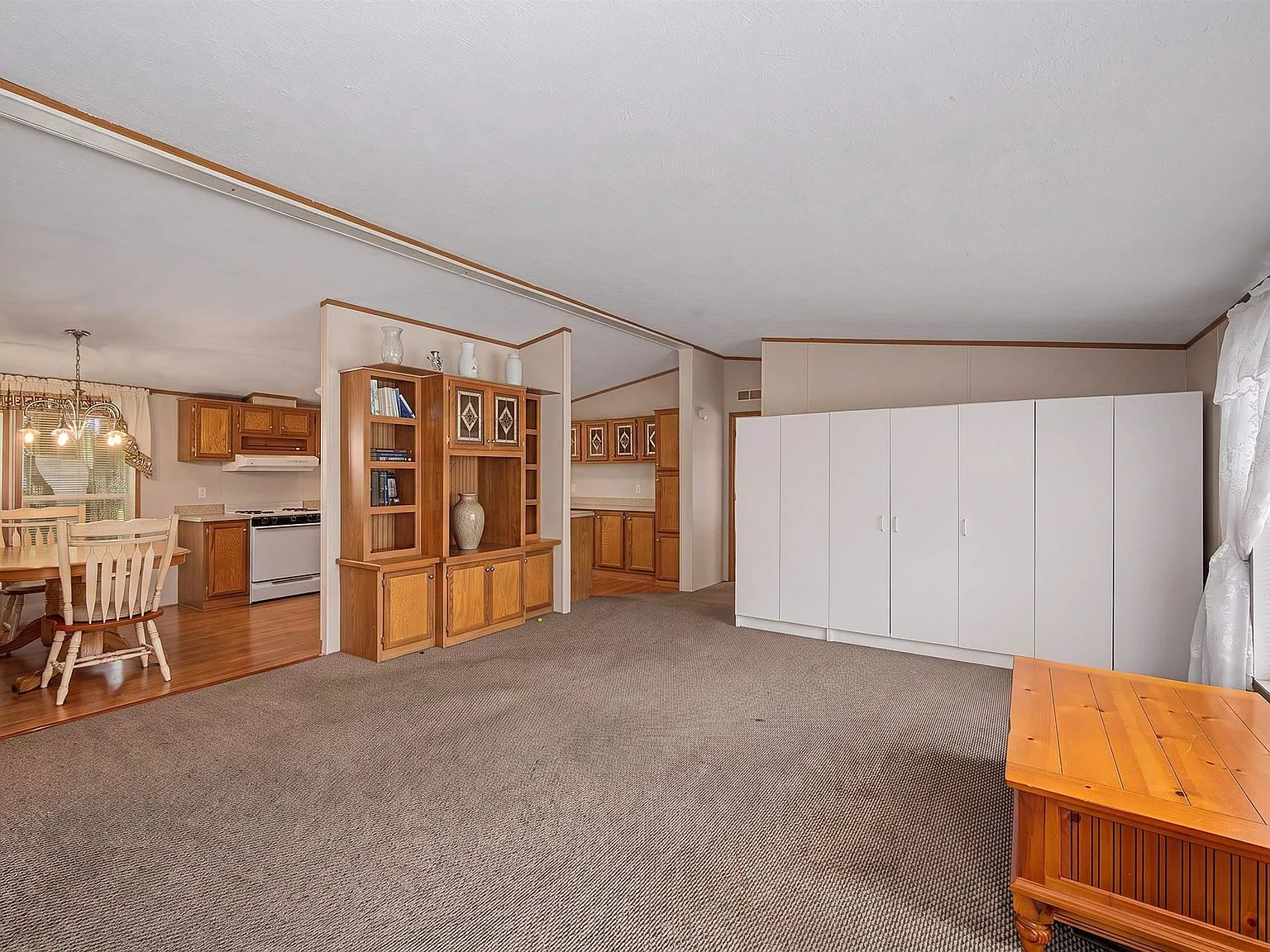
To see how these concepts apply, consider 2528 Tilton Rd. Lot #48 in Egg Harbor Township. It is a three-bedroom, two-bathroom manufactured home of approximately 1,320 square feet in Tilton Terrace, an all-age land-lease community with no HOA. The monthly lot rent of $953 for the next owner includes property taxes, trash service, water, and sewer, and the next scheduled increase is March 2028.
The home includes a spacious living room with built-in cabinetry, an eat-in kitchen, a dedicated laundry area, a large primary bedroom with its own full bathroom, propane heat, electric central air, a propane tankless water heater, a newer roof, a 24-foot by 8-foot deck, a storage shed, and a two-car parking pad. It is sold in AS-IS condition, which makes a thorough inspection especially important.
Have Questions About Buying a Manufactured Home?
Derek can walk you through the process, connect you with a lender and inspector who know manufactured homes, and help you evaluate communities across South Jersey.
Prefer to talk now? Call (609) 403-3315 or schedule a consultation.